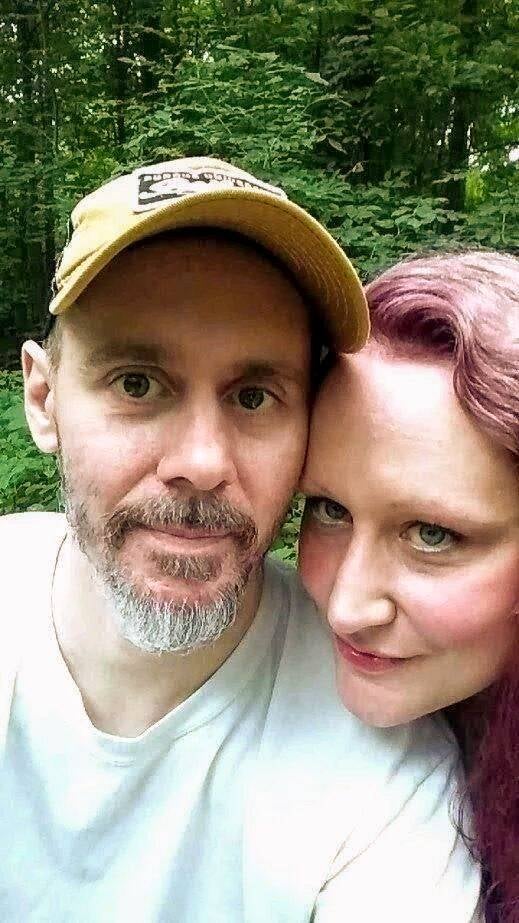
Why We Fight: Our Story
Some causes find you, and others are forged in the fires of your own survival.
For the two of us, Ryan and Jamie, stepping into the world of fundraising isn't just about supporting a charity—it is deeply personal. It is about honoring the scars we carry, remembering the ones we’ve lost, and refusing to let other families walk through the darkest moments alone.
Survivors of Suicide Attempts
We both know the quiet, heavy weight of survival. Suicide touches lives in ways that words often fail to capture, leaving behind a complex landscape of grief and confusion. As survivors of suicide, we understand the critical importance of breaking the silence. We know what it means to fight for tomorrow, and we know how desperately needed accessible, compassionate mental health resources and crisis support are. We became fundraisers for suicide prevention because no one should ever have to feel invisible in their darkest hour, and because every single life is worth fighting for.
In Memory of Shawn: Ewing’s Sarcoma
For Ryan, the crusade against childhood cancer is etched deeply into family history. His brother, Shawn, was a victim of Ewing's Sarcoma—a rare and aggressive bone cancer that took his life at age 24, depriving young lives of their future far too soon.
Watching someone you love face down. A diagnosis like Ewing's Sarcoma reveals a heartbreaking reality: childhood and young adult cancers are cruel, relentless, and drastically underfunded. No family should have to endure the agony of watching a life cut short by a disease they are powerless to stop. We fundraise for research so that one day, no sibling has to grow up missing their brother, and no parent or family has to experience that kind of devastating loss.
Turning Pain into Purpose
We didn’t choose the trials that shaped us, but we get to choose what we do with them.
Every campaign we run, every dollar we raise, and every story we share is dedicated to the fighters, the survivors, and the memories of those we’ve lost. We fight for prevention. We fight for a cure. And most importantly, we fight so that hope outlasts the hardest days.
Thank you for standing with us, remembering with us, and helping us make a difference.
Our Mission
Rooted in the profound lessons of history and driven by an unwavering commitment to the future, our organization stands as a beacon of hope, healing, and remembrance. Inspired by the enduring spirit and lasting impact of Ryan and Jamie, we are dedicated to transforming how communities approach mental health and crisis intervention.
Our Core Pillars
Honoring the Past: We look to history—and to the deeply personal stories of those we have lost—to understand the complexities of pain, isolation, and resilience, ensuring that the lives of Ryan and Jamie are forever remembered through action, empathy, and change.
Dismantling the Stigma: We actively break the silence surrounding mental illness and suicidal ideation, fostering open, judgment-free conversations that empower individuals to seek help without shame or fear.
Lifesaving Support: We bridge the gap between isolation and connection by providing accessible resources, education, and compassionate interventions for those in crisis.
Building a Connected Future: We champion a world where every person feels seen, valued, and equipped with the support they need to navigate their darkest moments, ensuring that no one ever has to fight their battles alone.

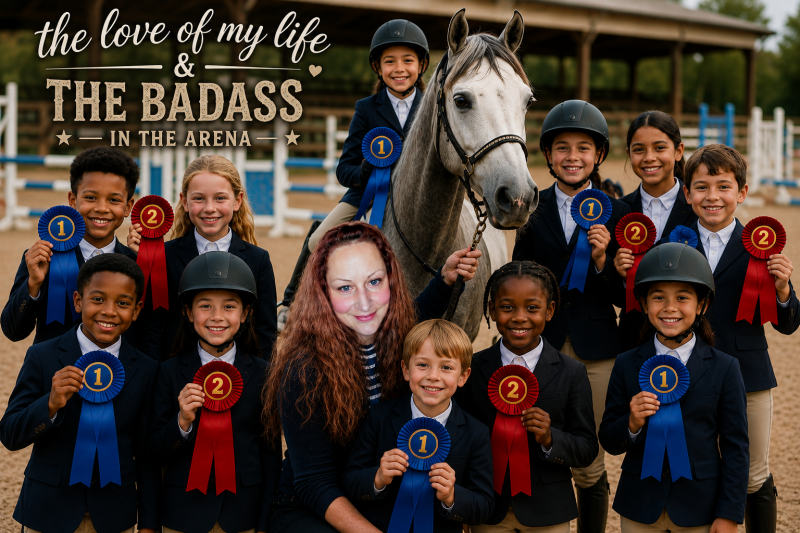

The Bad Ass in the Arena
Jamie has a gift I have spent years trying to understand, though perhaps it was never meant to be dissected—only witnessed.
She can stand in the middle of a wind-swept pasture with a frightened, trembling horse and, without speaking a single word, anchor the space around them. I have watched her do it a hundred times, and it never ceases to feel like a quiet form of magic. It isn't a trick of training or command; it is in the rhythm of her breath, the soft drop of her shoulders, and the deliberate, unhurried way she moves. She doesn't just look at the animal—she listens with her whole body, projecting a grounded stillness that invites a panicked world to slow down with her.
Grace Under the Weight of Recovery
That patience didn't come easily; it was forged through deep, physical grace. Years ago, Jamie was trampled by her horse, Cupid. The accident cost her six excruciating months of her life spent recovering in bed, piecing her body back together millimeter by millimeter.
Yet in all those long, agonizing months, I never heard a single drop of bitterness in her voice. She never once blamed Cupid. While anyone else might have harbored resentment or fear, Jamie held only grace and understanding.
"Cupid was just being a horse," she’d say with a gentle smile whenever someone brought it up. "Animals act like animals. Sometimes they're magnificent, and sometimes they act like total bratty toddlers. It was on me to pay attention."
That refusal to hold a grudge revealed everything about her character. Where others saw a dangerous animal, Jamie saw a living, feeling creature that simply needed patience, clear boundaries, and unconditional understanding.
The Unspoken Language of Safety
Trauma survivors so often lose their trust in language. Words, after all, are easily weaponized—used to deceive, minimize, or wound. When spoken promises have broken you in the past, rhetoric loses its power to comfort.
But the body remembers a different vocabulary altogether:
Breath: The slow, steady rhythm that signals the danger has passed.
Posture: Unarmored, receptive, and calm—even after being broken.
Presence: Showing up fully, without demanding perfection in return.
Working alongside horses—creatures who operate entirely on non-verbal instinct and live hyper-aware of energy—Jamie found her voice again. Not by shouting over her past or fearing the animals that had hurt her, but by stepping into a space where safety is demonstrated, not declared. Cupid didn't need a lecture; he needed an anchor. In offering that unshakeable peace to him, Jamie gave it back to herself.
Finding My Own Reflection
Watching her transform that pasture into a sanctuary—and watching her forgive the very creature that shattered her bones—taught me something profound about my own healing journey. For years, I believed recovery meant assigning blame, finding the exact right words to explain my pain, or shielding myself from ever getting hurt again.
Jamie showed me that silence isn't an empty void, and forgiveness isn't about ignoring the damage. It’s about choosing not to carry the weight of resentment.
True peace doesn't always come from talking through the storm or defending our scars. Sometimes, it comes from learning how to sit softly in the quiet that follows, offering grace to the world—and to ourselves—even when it hurts.